Recent announcements regarding Google’s Android 10 support lifecycle have prompted questions from customers about whether these changes affect PAX payment terminals running Android 10.
While Android 10 may be reaching the end of its support lifecycle in the consumer smartphone market, payment terminals operate under a very different model. Understanding that distinction is key to evaluating the long-term security, stability, and support of your payment infrastructure.
Payment Devices Are Different from Consumer Smartphones
PAX payment terminals are different from consumer smartphones. They run a customized operating system built on the Android Open Source Project (AOSP), specifically designed for payment environments.
Unlike smartphones that rely on Google Mobile Services (GMS), Google Play, and manufacturer-driven over-the-air updates, payment terminals and IoT devices follow a different lifecycle model. These devices are typically built on a stable Android platform, customized by the device manufacturer, and maintained through a controlled firmware and security update process.
As a result, Google’s consumer Android support timelines do not automatically apply to PAX payment devices.
How PAX Maintains Android-Based Payment Platforms
PAX maintains and supports its own Android operating system builds for eligible payment devices.
This includes:
Ongoing assessment
Integration
Testing
Release of necessary security patches
System updates
Firmware improvements
Payment-related compatibility enhancements.
PAX also monitors relevant Android / AOSP security bulletins, chipset platform updates, payment application requirements, and customer deployment needs.
In the payment terminal industry, it is common for devices to operate on mature and proven Android versions for an extended period of time. The priority for payment devices is not simply to use the latest Android version, but to ensure:
System stability
Payment application compatibility
Security patch maintenance
Controlled firmware release
PCI / EMV and payment ecosystem compatibility
Long-term product lifecycle support
Reliable operation in merchant environments
This approach allows PAX to continue to adopt newer Android versions for new product platforms when applicable. For newly developed devices, PAX evaluates the latest stable Android versions, chipset platform support, security capabilities, application compatibility, performance improvements, and new OS features. Once the platform is mature and suitable for payment-industry deployment, PAX will maximize the use of newer Android versions to take advantage of updated security architecture, improved system performance, enhanced device management capabilities, and new Android features.
This means PAX does not simply keep devices on older Android versions. Instead, PAX follows a balanced product strategy: supported existing devices are maintained through controlled OS and security patch management, while new-generation devices are developed on newer Android platforms when they meet the required standards for stability, certification, security, and long-term support.
This is a common approach across the broader payment, industrial, and IoT device markets. Many commercial payment terminals remain in active deployment using Android versions that have already been proven stable and secure for their specific use cases. Simultaneously, newer product lines continue to move forward with the latest Android versions where technically and commercially appropriate.
What This Means for Customers
Customers using PAX Android 10 payment devices do not need to be concerned that Google’s public Android 10 lifecycle announcements automatically impact their terminals.
PAX payment devices are maintained through PAX’s own OS, firmware, security patch, and product lifecycle management processes, which are designed specifically for payment industry requirements. At the same time, PAX continues to introduce newer Android versions on new device platforms to support future features, improved security capabilities, and long-term technology evolution.
As technology continues to evolve, PAX will maintain its commitment to both supporting existing deployments and advancing future platforms with the latest security, performance, and management capabilities.
If you have questions regarding a specific device model, firmware version, security patch level, or upgrade roadmap, please contact your PAX representative for guidance tailored to your deployment environment.
ETA Transact 2026: The Essential Conversation in Payments
Each year, the payments ecosystem gathers to assess where commerce stands and where it is headed next. ETA Transact 2026 will again serve as that focal point. Hosted by the Electronic Transactions Association, the annual ETA Transact event convenes acquiring banks, ISOs, ISVs, fintech platforms, card networks, regulators, and technology providers under one roof.
More than just a trade show, ETA Transact 2026 serves as a strategic checkpoint. It is where product roadmaps are tested against market reality, where compliance shifts are clarified, and where partnerships begin with direct, informed conversation.
In 2026, that conversation carries particular weight.
The Industry Context Surrounding ETA Transact 2026
Payments are no longer in a phase of rapid experimentation. It is in a phase of disciplined execution. Over the past several years, embedded finance matured, AI capabilities accelerated, and merchants became more selective about the partners they trust. The result is a market that demands resilience and measurable value.
ETA Transact 2026 reflects this shift. The agenda is expected to center on operational priorities rather than speculation. Artificial intelligence in fraud mitigation, the evolution of PCI standards, digital identity frameworks, regulatory developments, and the ongoing integration of software and payments will anchor many sessions.
These themes are not abstract. They directly affect how ISOs sell, how ISVs integrate, how acquirers manage risk, and how merchants evaluate their technology stacks. The conversations at ETA Transact 2026 are therefore grounded in execution. What must be implemented this year? What needs to change next quarter? What cannot be delayed?
That practical orientation makes the event especially relevant.
Embedded Finance and Vertical Specialization
One dominant theme expected at ETA Transact 2026 is the continued rise of embedded finance. Payments are no longer a standalone service. It is integrated into vertical software platforms, loyalty systems, and operational workflows.
For software companies, this integration introduces both opportunity and complexity. Owning the payments experience allows tighter control over user experience and revenue streams. At the same time, it increases responsibility around compliance, uptime, and support.
Vertical specialization compounds this dynamic. Retail, hospitality, healthcare, field services, and nonprofit organizations each operate with distinct regulatory and operational realities. Payment infrastructure must reflect those nuances. Generic solutions rarely succeed at scale.
At ETA Transact 2026, expect case studies that move beyond theory. Expect candid discussion about integration timelines, merchant onboarding friction, and the challenges of balancing customization with standardization. The ecosystem has learned that embedded payments succeed only when every layer, from software to hardware to risk management, works in concert.
Security and the Evolution of PCI
Security remains foundational. In many respects, it defines the credibility of the entire industry. As PCI standards continue to evolve, compliance is becoming more stringent and more visible to merchants.
ETA Transact 2026 will likely include a focused discussion on the transition toward newer PCI requirements and how stakeholders should prepare. This includes firmware management, encryption standards, device lifecycle considerations, and audit readiness.
For ISOs and ISVs, the stakes are high. A compliance gap can erode trust quickly. For acquirers and sponsor banks, risk exposure must be carefully managed. For merchants, security failures are no longer tolerated as isolated incidents. They are reputational events.
The tone of these sessions is expected to be direct. Compliance is not a marketing angle. It is a responsibility. ETA Transact 2026 provides a forum where regulators, risk experts, and solution providers can align on what readiness truly means in 2026.
Artificial Intelligence and Responsible Innovation
Artificial intelligence will continue to influence fraud detection, underwriting models, customer service automation, and analytics. At ETA Transact 2026, the focus is likely to move beyond enthusiasm and toward governance.
How is AI being trained? How transparent are decisioning models? How are biases mitigated? These questions are no longer theoretical. They are operational requirements, especially as regulatory scrutiny increases.
The payments industry sits at the intersection of sensitive financial data and real-time decisioning. AI tools can enhance efficiency and risk management, but only if implemented responsibly. The conversation at ETA Transact 2026 is expected to reflect that maturity. Innovation is welcome. Oversight is required.
Omnichannel Expectations in Practice
The word omnichannel appears frequently in payments discussions, yet its meaning continues to evolve. Merchants now expect consistent checkout experiences across physical stores, mobile devices, and digital platforms. Consumers expect speed and continuity. They do not distinguish between channels.
ETA Transact 2026 will likely examine how infrastructure must adapt to support this reality. Reporting must be unified. Authentication must be seamless. Device fleets must be manageable at scale. Integration between online and in-person systems must be dependable.
This is where theoretical strategy meets day-to-day operations. Payments professionals attending ETA Transact 2026 are looking for clarity on how to implement omnichannel frameworks without introducing unnecessary complexity.
Consolidation and Stability
The payments ecosystem continues to consolidate. Mergers and acquisitions have reshaped the competitive landscape. As platforms combine and portfolios expand, stability becomes a priority.
ETA Transact 2026 offers a moment to assess which partnerships remain strong, which technologies are scalable, and which strategies are sustainable over the long term. Attendees are not only evaluating innovation. They are evaluating reliability.
In a consolidating market, clarity matters. Vendors and partners must articulate how they support long-term growth, how they maintain compliance across expanding portfolios, and how they plan to adapt to future regulatory changes.
Why ETA Transact 2026 Matters for Infrastructure Providers
While software innovation often captures headlines, infrastructure remains central to commerce. Devices, secure transaction pathways, encryption protocols, and deployment models form the operational backbone of every payment.
ETA Transact 2026 creates a space where infrastructure providers are not simply showcasing hardware. They are participating in a strategic dialogue. How should device fleets be managed remotely? How does firmware alignment support compliance readiness? How can deployment models accommodate vertical specialization?
These questions connect directly to the themes dominating the conference.
Where PAX Enters the Conversation
Within this broader context, the role of a hardware manufacturer becomes clear. As discussions at ETA Transact 2026 address security, embedded integration, and omnichannel deployment, reliable infrastructure becomes part of the solution.
PAX Technology Inc. participates in ETA Transact not as an isolated exhibitor, but as a contributor to these larger conversations. Android-based smart terminals, countertop and mobile form factors, and secure PIN entry devices are not ends in themselves. They are tools that support ISOs, ISVs, and enterprise merchants as they execute on their strategies.
As compliance requirements evolve, firmware management and device certification take on added importance. As vertical software platforms expand, integration flexibility becomes critical. As omnichannel expectations rise, deployment consistency matters.
At ETA Transact 2026, the relevance of hardware is defined by these industry themes. Conversations at the booth are shaped by what attendees are hearing in keynote sessions and breakout discussions. The focus remains aligned with the priorities of the ecosystem.
The Value of Face-to-Face Dialogue
In an increasingly digital industry, the opportunity to speak directly with peers and partners remains valuable. ETA Transact 2026 provides that environment. Discussions that might take weeks to coordinate remotely can unfold in a single afternoon.
For infrastructure providers such as PAX, this setting allows for practical exploration. Attendees can examine device capabilities, ask about integration frameworks, and discuss compliance roadmaps in the context of what they are learning at the conference.
The benefit is mutual. Vendors gain insight into shifting priorities. ISOs and ISVs gain clarity about how specific solutions align with their objectives. Enterprise merchants can evaluate options with a clearer understanding of regulatory and technological direction.
Visit PAX Technology at Booth #1833 during Transact, March 18-20 in Atlanta, GA, to discover firsthand the future of payment solutions, including our newest hardware.
Attendees will gain the most from ETA Transact 2026 by approaching it with defined objectives. Reviewing current deployment models, identifying compliance timelines, and clarifying growth targets can make conversations more productive.
The conference environment encourages substantive discussion. It rewards specificity. The more clearly organizations understand their operational needs, the more valuable their engagements will be.
Looking Ahead
ETA Transact 2026 stands as a benchmark moment for the payments industry. It reflects a sector that is evolving with discipline and purpose. Security, embedded integration, AI governance, omnichannel execution, and regulatory alignment are not passing trends. They are defining characteristics of the current era.
Within that environment, infrastructure must be dependable and adaptable. Hardware must support software innovation without compromising compliance or performance. Partnerships must be grounded in clarity and long-term alignment.
For those attending ETA Transact 2026, the opportunity is straightforward. Engage in the conversation. Evaluate your strategy against industry direction. Connect with partners who understand both the technical and operational dimensions of payments.
PAX will be present within that ecosystem, focused on supporting the priorities that define this year’s event. The broader discussion belongs to the industry as a whole. The shared objective is to move commerce forward with confidence and integrity.
As we step into a new year, we’re proudly reflecting on the strides we’ve made in expanding our product portfolio to serve a diverse range of industries. While our solutions already address nearly every use case, we recognized an opportunity to enhance our offerings in multilane retail—a sector where seamless, reliable technology is key.
Our recent efforts have been centered on the Elys Point-of-Sale, a robust workstation that integrates with payment devices, Kitchen Display Systems, Bump Bars, printers, scanners, and more. Since the introduction of the Elys L1400 Workstation two years ago, over 60,000 units have been deployed.
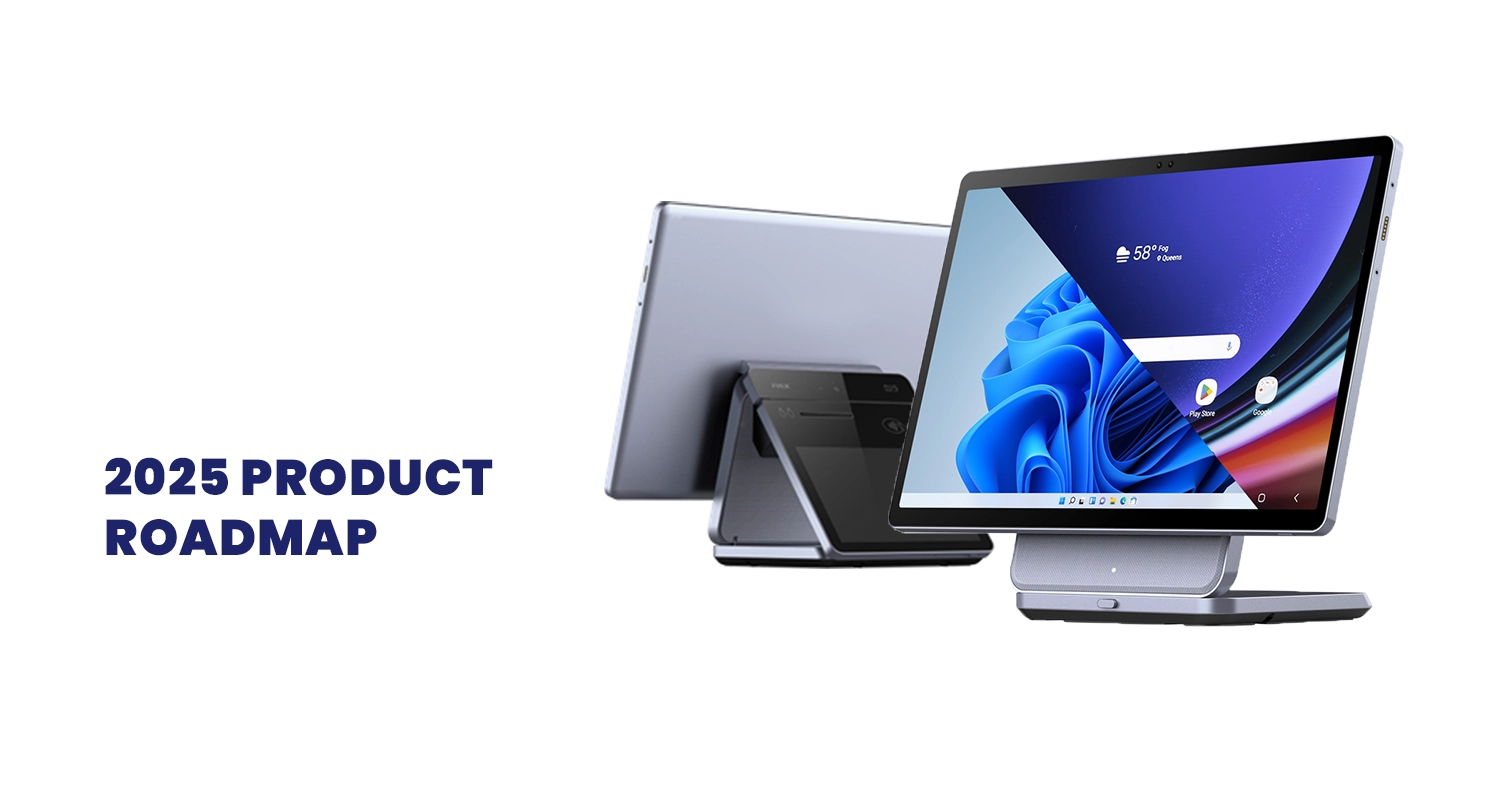
As we continue to push the boundaries of innovation, we’re excited to unveil our 2025 Product Roadmap. Read on to discover what’s coming next!
Table of Contents
Elys Station Pro MAX (L1620): Redefining the Future of POS
Android™’s momentum in recent years has been undeniable, with countless innovative applications being developed on the platform every day. However, we know that Windows has been a trusted operating system for decades, beloved for its familiarity and software ecosystem. Additionally, many merchants and developers have built their workflows around Windows.
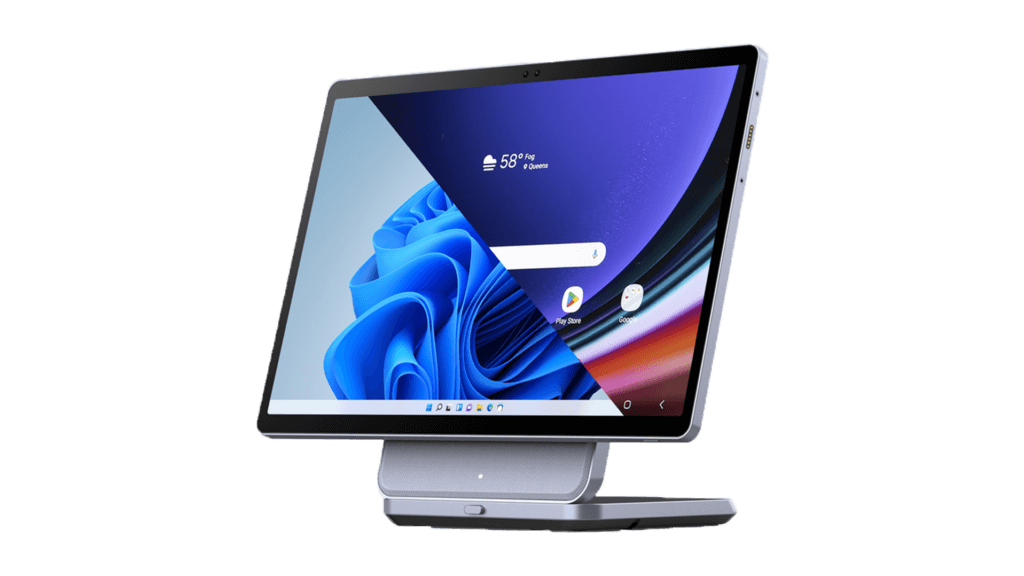
Recognizing the value of both platforms, we’re excited to announce the Elys Station Pro Max (L1620) —a groundbreaking addition to our lineup and a new milestone for PAX. For the first time, we’re adding a Windows platform to our portfolio through a dual-operating system that seamlessly runs both Windows and Android™ 14.
This pioneering dual-OS capability bridges the gap between tradition and innovation, offering the best of both worlds for businesses that depend on Windows’ proven reliability while embracing Android™’s modern adaptability. By leveraging Windows-on-ARM, the Elys Station Pro Max runs both Android™ and Windows on the same Qualcomm® CPU and hardware architecture. This dual-OS capability offers unmatched flexibility enabling retailers to elevate their operations and enhance the customer experience. It’s a solution designed to empower merchants and developers alike, ensuring seamless integration with their existing workflows.
Key features include:
• Windows-on-ARM
• 16” Screen
• Android™ 14
• Qualcomm® 8-Core
The Elys Station Pro Max also integrates effortlessly with the entire suite of Elys peripherals, including payment devices, to deliver a cohesive and comprehensive solution tailored to your business needs.
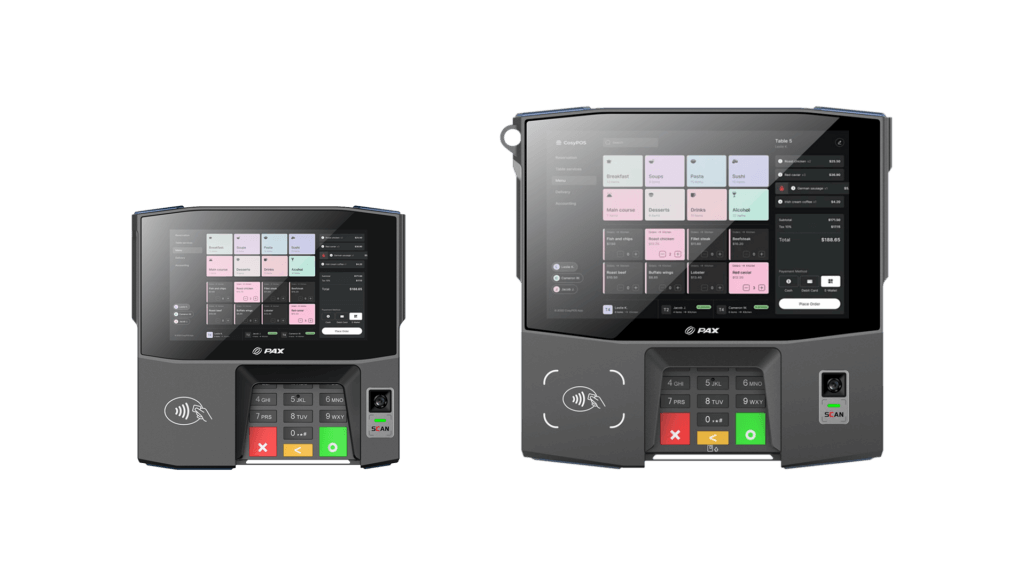
Our new generation PCI6 Retail PIN pads feature subtle yet impactful enhancements over their Px5 and Px7 predecessors. These innovative devices maintain the familiarity and ease cardholders expect when utilizing a PIN pad, allowing them to instinctively swipe, insert, or tap their card. They are also fully ADA compliant, ensuring accessibility for all users.
Designed with intuitive and versatile communication options, these PIN pads include two ports capable of supplying power and data, and Power over Ethernet (PoE). These Retail PIN pads have been engineered for the performance and durability required in high-demand, high frequency checkout environments.
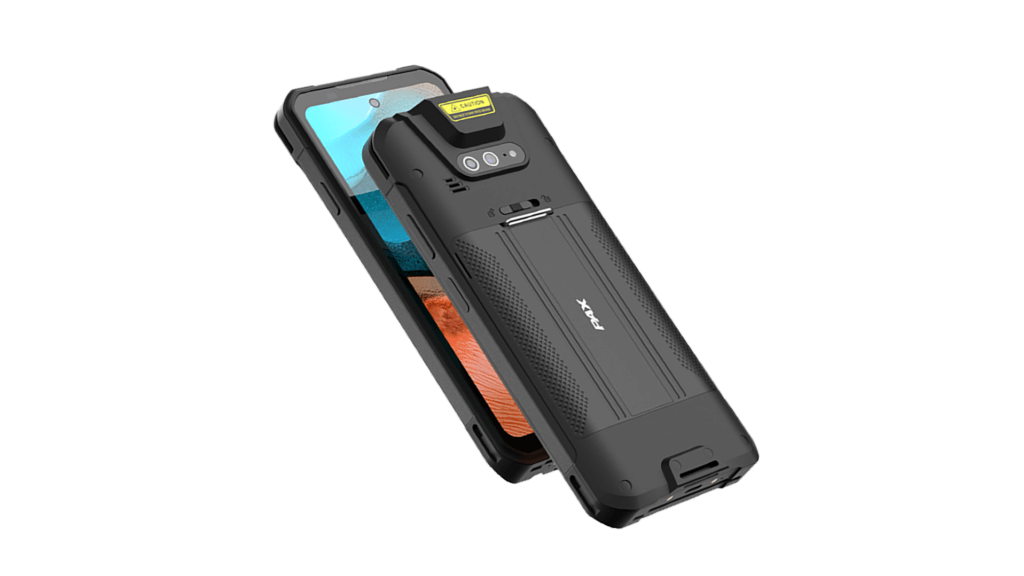
We’ve taken our flagship handheld, the A6650, to the next level with the A6650 5G. Now equipped with ultra-fast 5G connectivity, this powerhouse device features a larger 6.7” display, runs on the latest Android™ 14 OS, and boasts a Qualcomm® 4nm 8-core 2.4GHz processor—delivering more than 5x the original computing power. With 6GB RAM and 128GB of storage, the A6650 5G is designed to handle even the most demanding applications seamlessly.
Built for durability, this ultra-ruggedized unit now features an enhanced drop rating of 1.8m, IP67 weather resistance, and industry-leading ESD protection (15kV/18kV). We’ve also reengineered the battery management system, introducing a secondary integrated backup battery while maintaining the same high-capacity primary battery. This allows for true hot-swappable functionality, eliminating power-related downtime and ensuring uninterrupted performance.
These improvements render the A6650 5G capable of handling multiple computing and resource intensive tasks simultaneously.
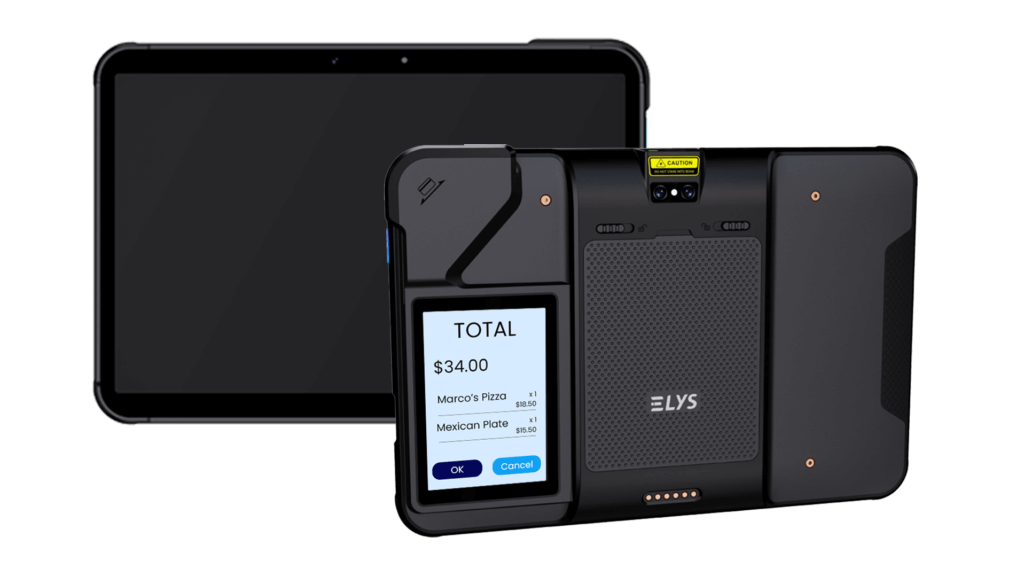
The M11 combines cutting-edge design with functionality, featuring an 11″ display that maintains a compact form factor, despite offering more screen real estate compared to typical industrial tablets. The payment module is housed on the back of the tablet and has an integrated full-color 3.5” touch display, eliminating the need for a separate MiniPOS device.
This Android™ 15 GMS-certified device benefits from the same kernel as many other PAX payment solutions, bringing a semi-integrated, common kernel tablet to the PAX portfolio, ensuring a quicker-to-market solution for retailers. Built for durability, it boasts 15kV/18kV ESD protection and an integrated payment module.
Due to its rugged and resilient construction, the M11 can be used in many different environments.
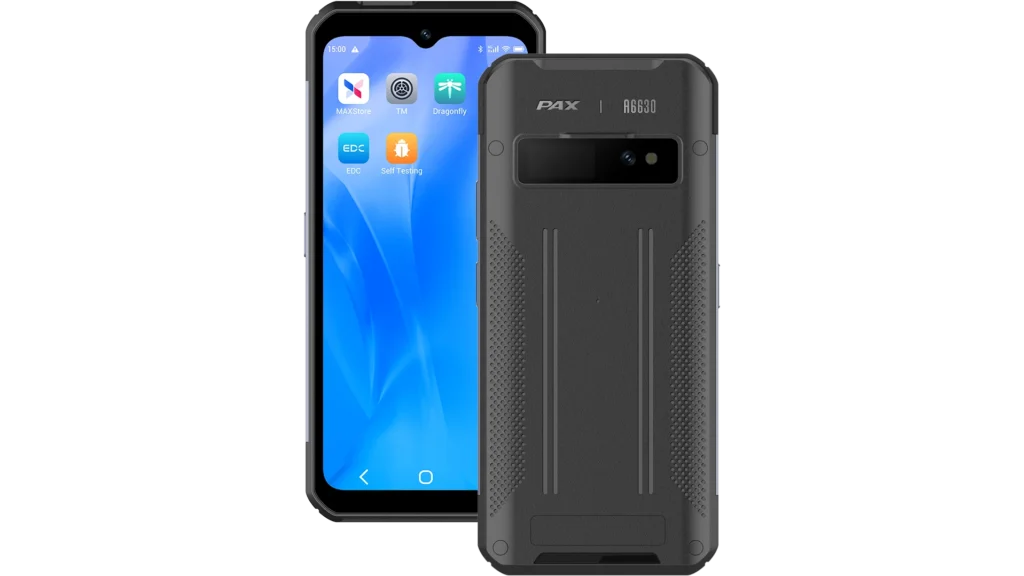
While not as rugged as the A6650, the A6630 is built for lighter-duty use and offers the same ultra-high ESD protection. It’s compatible with many of the same accessories, such as the hand strap and multi-charging kit. Additionally, the A6630 comes equipped with a fully integrated, high-capacity battery, providing over 10 hours of operation on a single charge. With its versatile design, the A6630 is an excellent solution for nearly any mobile payment acceptance environment
With these innovations, 2025 is set to be a transformative year for our product lineup. Theyrepresent our commitment to providing versatile, future-ready solutions that empower businesses to thrive. Fill out the form below for more updates.
Get Exclusive Insights on Our Latest Payment Solutions
If you would like to learn more about these devices, please take 1 minute to fill out this form.